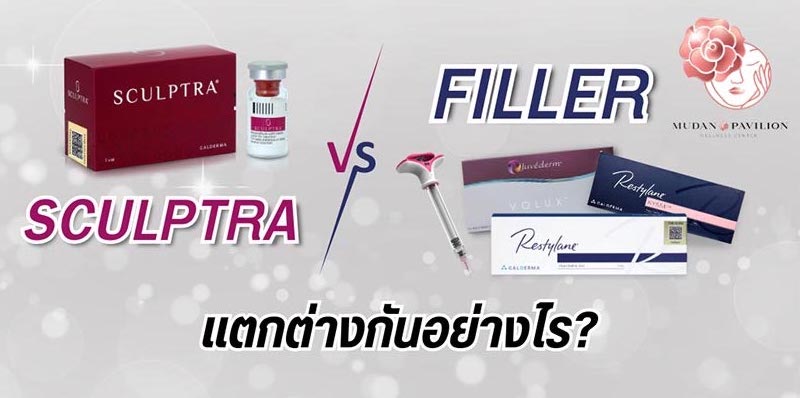

As we age, our skin naturally loses collagen — the structural protein that keeps the face firm, plump, and youthful. Moreover, this gradual decline leads to volume loss, sagging, fine lines, and a tired appearance. This is why many people turn to Sculptra collagen stimulation for long-lasting skin rejuvenation, which supports long-term skin rejuvenation. Additionally, while traditional hyaluronic acid (HA) fillers can add instant volume, they do not rebuild the deeper foundation of the skin. Therefore, a treatment that helps the skin regenerate becomes highly valuable.
Sculptra is different.
Instead of simply “filling,” it helps the skin regenerate. In addition, by stimulating natural collagen production, Sculptra restores firmness, improves elasticity, and rejuvenates facial contours in a way that looks subtle and beautifully natural. As a result, it becomes an excellent option for long-lasting, natural enhancement.
What Is Sculptra Collagen Stimulation?

Sculptra is a collagen-stimulating treatment made from Poly-L-Lactic Acid (PLLA). Once injected, it works beneath the skin to encourage your body to produce fresh collagen over several weeks. Consequently, the skin gradually becomes firmer, smoother, and plumper. Furthermore, it develops long-lasting structural improvement that contributes to a naturally youthful appearance.
Unlike traditional fillers, which simply add volume, Sculptra rebuilds the skin from within. For this reason, many professionals consider it a foundational treatment rather than a temporary enhancement.
How Sculptra Works (vs Hyaluronic Acid Fillers)
Hyaluronic acid (HA) fillers provide immediate results by adding temporary volume. However, Sculptra (PLLA) works differently.
- First, it acts as a biostimulator, triggering collagen formation.
- Then, it improves skin thickness and overall firmness over time.
- Finally, results develop gradually and last longer — typically 2–3 years on average.
On the other hand, HA fillers are ideal for instant correction but do not provide long-term improvements to skin quality. Therefore, Sculptra is ideal for full-face rejuvenation rather than simple spot-correction.
If you’re also curious about other collagen-stimulating treatments, you may find our detailed guide on Radiesse helpful. Radiesse offers a different form of collagen biostimulation using CaHA microspheres.
Radiesse®: Advanced Collagen Biostimulation for Long-Lasting Skin Rejuvenation
Why Many People Choose Sculptra for Natural Rejuvenation
With age, collagen decreases every year — leading to volume loss and skin laxity. Moreover, lifestyle factors such as sun exposure, stress, and facial movement can accelerate these changes. As a result, Sculptra helps reverse these concerns by encouraging the skin to rebuild itself from the inside out.
Key Advantages
- Stimulates new collagen in 4–6 weeks
- Long-lasting results up to 2–3 years
- Improves elasticity and firmness
- Creates naturally youthful contours
- Offers subtle, “you-but-better” enhancement
- Additionally, many patients appreciate that Sculptra provides gradual improvements, which help them maintain a natural appearance without looking suddenly “treated.”
Who Is Sculptra Best For?
Sculptra is ideal for people who want to:
- Restore youthful fullness naturally
- Improve skin laxity and elasticity
- Reduce deep folds (for example, nasolabial folds or marionette lines)
- Correct hollow temples or sunken cheeks
- Rejuvenate the face without looking “done”
Additionally, it’s perfect for those who want long-lasting improvement without frequent touch-ups. For instance, individuals who prefer subtle enhancement over dramatic change often select Sculptra as their primary anti-aging treatment.
Common Sculptra Treatment Areas

1. Temples (Temporal Area)
Volume loss here can cause the outer face to appear sunken and age the entire eye area. Therefore, Sculptra in this zone restores balance and provides a lifted, harmonious look.
2. Preauricular Area (In Front of the Ears)
This is a key zone for mid-face support. Consequently, treating this area helps improve jawline definition and reduce sagging caused by age-related collagen loss.
3. Submalar Area (Cheek & Midface)
Sculptra creates a fuller, fresher midface appearance. Additionally, it softens deep folds and reduces heaviness in the lower cheeks. As a result, the face looks more lifted and youthful.
Why Sculptra Should Not Be Injected in the T-Zone
Physicians avoid injecting Sculptra into the forehead, nose bridge, or central chin because the skin in these areas is thinner and contains more blood vessels. Although Sculptra is safe when used correctly, these regions carry a higher risk of nodules and irregularities. Therefore, expert injectors avoid the T-zone to ensure optimal safety.
Is Sculptra Safe?
Yes — Sculptra is FDA-approved and widely used in aesthetic medicine worldwide. Moreover, it has a long track record of safety when administered by experienced professionals.
Because the treatment relies on your body’s natural collagen-making process, results look soft, gradual, and natural. Still, as with any injectable, proper technique and authentic product usage are essential for the best outcome.
Sculptra vs Filler: Which Should You Choose?

| Sculptra (PLLA) | Hyaluronic Acid Filler | |
|---|---|---|
| Mechanism | Stimulates collagen | Adds volume instantly |
| Longevity | 2–3 years | 6–18 months |
| Result style | Natural, gradual | Immediate change |
| Best for | Skin quality + structure | Specific volume correction |
If you want long-term improvement and natural rejuvenation, Sculptra is ideal.
If you want instant volume, HA fillers may be better.
Sculptra and Radiesse collagen biostimulator both stimulate collagen, although they use different mechanisms.
How Many Sculptra Sessions Do You Need?
Sculptra does not work instantly. Instead, most people need:
- First: 1 session
- Then: 1–2 additional sessions
- Next: spaced 4–6 weeks apart
- Finally: collagen builds and results stabilize
This schedule allows your body to build collagen properly. Consequently, once completed, results can last 2–3 years.
Summary
Sculptra is a powerful collagen-stimulating treatment that rejuvenates the face naturally and progressively. Moreover, it strengthens the skin’s foundation, restores youthful contours, and offers long-lasting results. Therefore, it is an excellent choice for those seeking deep, natural, and structural rejuvenation rather than temporary volume.
If you’re looking for a treatment that enhances your appearance subtly and sustainably, Sculptra is one of the most effective options available today.
Additionally, consulting with an experienced injector ensures that your treatment is personalized, safe, and clinically sound.
Regulatory Status: Sculptra is FDA-approved under Premarket Approval (PMA) regulations for specified facial indications.
Key References
- U.S. Food and Drug Administration (FDA). Premarket Approval (PMA) Supplement Approval Letter P030050/S039 for Sculptra. April 25, 2023.
- Vleggaar D. Facial volumetric correction with injectable poly-L-lactic acid. Dermatol Surg. 2006;32(6):681–689.
- Fitzgerald R, et al. Collagen biostimulation with poly-L-lactic acid. J Drugs Dermatol. 2018.
- FDA PMA P030050/S039 (2023)
- Narins RS, et al. Long-term safety of poly-L-lactic acid. Dermatol Surg.
Frequently Asked Questions
What is Sculptra and how does it work?
Sculptra is a collagen-stimulating injectable made from Poly-L-Lactic Acid (PLLA). Instead of adding instant volume like traditional fillers, it works by encouraging your body to produce new collagen over time. As collagen rebuilds, the skin gradually becomes firmer, smoother, and more structurally supported.
How long do Sculptra results last?
Sculptra results typically last between 2 to 3 years. Because it stimulates natural collagen production rather than simply filling space, improvements develop gradually and often last longer than hyaluronic acid fillers.
Is Sculptra better than hyaluronic acid fillers?
Sculptra is not necessarily better — it serves a different purpose. Hyaluronic acid fillers provide immediate volume correction, while Sculptra focuses on long-term structural rejuvenation by rebuilding collagen. Therefore, Sculptra is ideal for full-face rejuvenation, whereas fillers are better for instant contouring.
How many Sculptra sessions are needed?
Most patients need 2 to 3 sessions spaced approximately 4 to 6 weeks apart. This staged approach allows collagen to build gradually and provides balanced, long-lasting results.
Is Sculptra safe?
Yes, Sculptra is FDA-approved and has been widely used in aesthetic medicine for many years. When administered by a qualified and experienced medical professional, it has a strong safety profile. As with any injectable treatment, proper technique and patient assessment are essential.
When will I see results after Sculptra?
Unlike traditional fillers, Sculptra does not produce instant final results. While temporary fullness may appear due to initial swelling, true improvement develops gradually over 4 to 8 weeks as new collagen forms. Full results are typically visible after completing the recommended treatment sessions.
What areas can Sculptra treat?
Sculptra is commonly used to treat areas that benefit from collagen rebuilding and structural support, such as the temples, cheeks, nasolabial folds, marionette lines, and jawline support zones. However, it is generally not injected in the forehead, nose, lips, or under-eye area.

Have additional inquiries?
We are here to help. Let’s engage in a conversation.